Cost of Structural Crack Repair
Structural crack repair costs can vary widely depending on the scope of the project, the materials used, labor requirements, and site-specific conditions. Smaller cracks may require simple sealing or filling, which generally incurs lower costs, while larger or more complex cracks might need extensive structural reinforcement or underpinning, increasing the overall expense. It is important to consider that final pricing is typically determined after an assessment of the specific conditions and repair needs.
When evaluating options for structural crack repair, it is helpful to understand that prices are influenced by factors such as the extent of damage, accessibility of the area, and the type of materials selected for the repair. Since costs can fluctuate based on these variables, obtaining detailed estimates from qualified professionals can provide a clearer understanding of the potential investment required for each project. Comparing different approaches and their associated costs can assist in making informed decisions aligned with project goals and budget considerations.
Price Range Overview
$1,200 - $2,800 (smaller scope)
$3,500 - $7,000 (moderate scope)
$8,000 - $15,000 (larger scope)
$20,000 - $50,000 (extensive repairs)
$60,000 - $120,000 (large-scale projects)
| Project Type | Typical Range |
|---|---|
| Surface Crack Repair | $1,200 - $2,800 |
| Foundation Crack Sealing | $3,500 - $7,000 |
| Structural Crack Reinforcement | $8,000 - $15,000 |
| Large Structural Repairs | $20,000 - $50,000 |
| Full Wall Replacement | $60,000 - $120,000 |
Factors Affecting Cost
Structural crack repair involves addressing cracks in a building's foundation or load-bearing elements to restore stability and prevent further damage. The scope of work can vary based on the size and severity of the cracks, as well as the materials used. Understanding typical project considerations can aid in planning and budgeting for repairs.
- Materials: Commonly used materials include epoxy injections, polyurethane foam, or hydraulic cement, selected based on crack type and structural requirements.
- Size and Scope: Repair projects can range from small surface cracks to extensive foundation work, influencing the complexity and duration of the repair.
- Labor Complexity: The difficulty of repair depends on accessibility, crack severity, and the need for specialized techniques or equipment.
- Permitting: Some repairs, especially those involving structural elements, may require permits or inspections depending on local regulations.
- Additional Services: Optional extras can include waterproofing, reinforcement, or surface finishing to enhance durability and appearance.
Project Size & Scope
Structural crack repair involves addressing cracks in concrete or masonry structures to restore stability and prevent further damage. The scope and size of cracks influence the typical project costs and repair methods.
| Scope/Size | Typical Range |
|---|---|
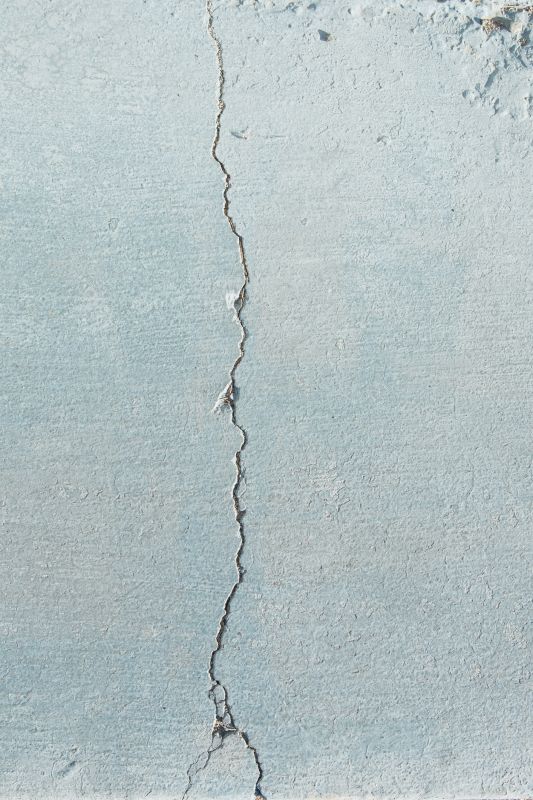
| Hairline cracks (less than 1/16 inch) | Minimal; often cosmetic repair |
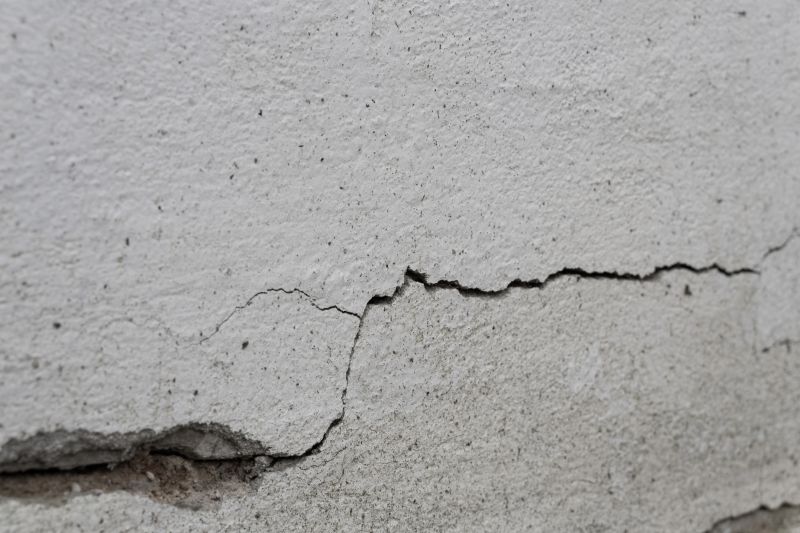
| Small cracks (1/16 to 1/4 inch) | Moderate; may require sealing or epoxy injection |
| Medium cracks (1/4 to 1/2 inch) | Significant; often involves epoxy or polyurethane injections, possibly additional reinforcement |
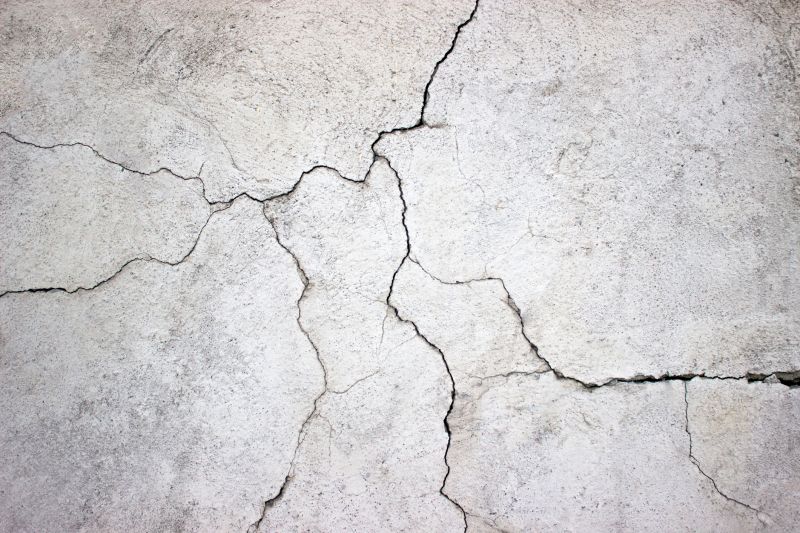
| Large cracks (over 1/2 inch) | Extensive; may require structural reinforcement, underpinning, or partial replacement |
Costs vary based on crack size, severity, and structural considerations; consulting a professional is recommended for assessment.